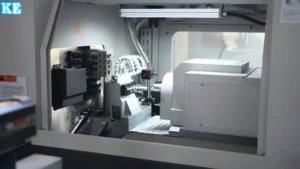
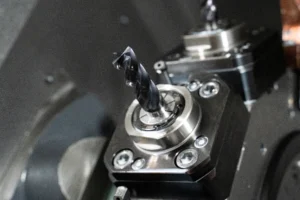
5-axis CNC machines have become indispensable in modern manufacturing due to their ability to produce complex, high-precision parts. From aerospace components to medical devices, these machines offer unmatched flexibility. However, not all 5-axis CNC machines are the same—their structural designs vary significantly. Understanding the differences between double swivel heads, single swivel heads, double rotary tables, and other configurations is critical for selecting the right equipment for your production needs.
This guide will break down the key structural types of 5-axis CNC machines, their pros and cons, and how to choose the best fit for your workshop.
Basic Principles of 5-Axis CNC Machines Structures
A 5-axis CNC machine operates with five degrees of freedom: three linear axes (X, Y, Z) and two rotational axes (typically labeled A, B, or C). This design allows the cutting tool to approach the workpiece from virtually any angle, enabling intricate geometries and reducing setup time.
Compared to 3-axis machines, 5-axis systems improve accuracy by minimizing repositioning and manual adjustments. The arrangement of rotational axes directly impacts rigidity, workpiece capacity, and machining efficiency.
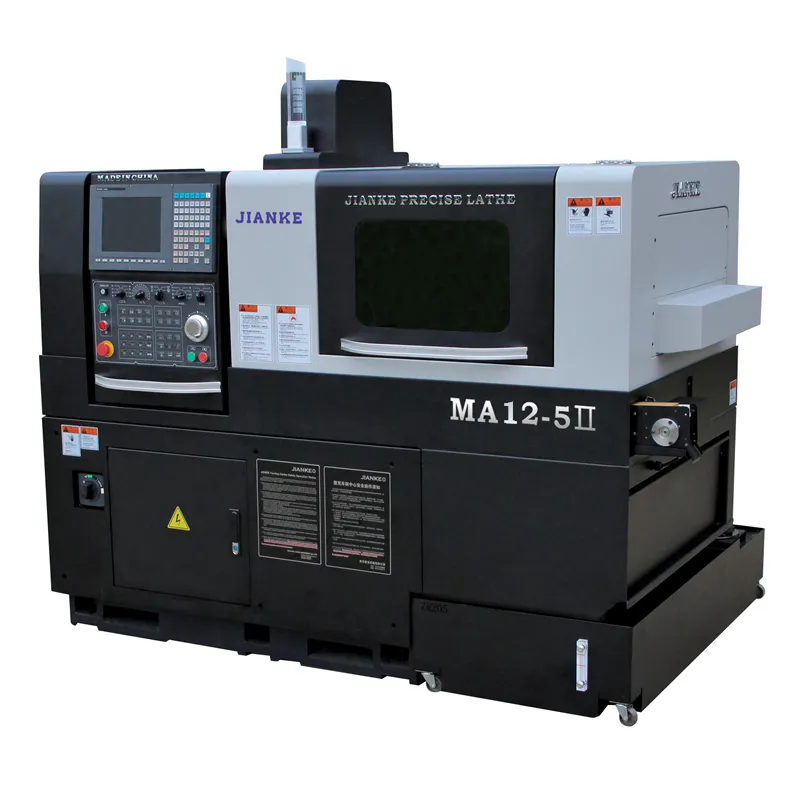


Key Structural Types of 5-Axis CNC Machines
1. Double Rotary Table Structure
- Design: Features two rotating worktables (usually A and C axes) with a fixed spindle. The workpiece moves with the tables while the tool travels linearly.
- Pros & Cons:
- ✅ High spindle rigidity and precision for small-to-medium parts.
- ❌ Limited load capacity; unsuitable for heavy components.
- Applications: Ideal for aerospace turbines, micro-mold cavities, and electronic connectors.
2. Double Swivel Head Structure
- Design: Two rotational axes are integrated into the spindle head, keeping the workpiece stationary.
- Pros & Cons:
- ✅ Excels with large, heavy parts (e.g., automotive molds).
- ❌ Reduced spindle rigidity during high-speed cutting.
- Applications: Automotive body panels, wind turbine blades, and marine propellers.
3. Single Swivel Head + Single Rotary Table
- Design: Combines one rotary table and one swivel head for balanced flexibility.
- Pros & Cons:
- ✅ Versatile for mid-sized parts with mixed complexity.
- ❌ Moderate maintenance complexity.
- Applications: General-purpose manufacturing of engine blocks or medical implants.
4. Other Configurations
- Cradle-Type Machines: Use tilting beds for specialized angled machining.
- Moving-Bed Designs: Optimized for oversized components like ship rudders.
How to Choose the Right 5-Axis CNC Machines Structure
Selecting a 5-axis CNC machine depends on your workpiece specifications and industry requirements:
| Structure | Workpiece Size | Max Load | Key Advantage | Industries |
|---|---|---|---|---|
| Double Rotary Table | Small-Medium | <500 kg | High precision | Aerospace, Electronics |
| Double Swivel Head | Medium-Large | 500-2000 kg | Heavy-duty stability | Automotive, Energy |
| Hybrid (Swivel + Table) | Medium | 300-800 kg | Balanced performance | Medical, Tooling |
Pro Tip: For mixed production lines, hybrid models offer the best compromise between precision and versatility.
Choosing the right 5-axis CNC machine structure—whether double swivel head, double rotary table, or hybrid—can revolutionize your manufacturing capabilities. At Jianke Mach, we specialize in tailoring CNC solutions to match your production goals.
FAQ
A 5-axis machine reduces setup changes by 70% and improves surface finish accuracy by up to 40%, according to industry studies.
Double rotary tables are preferred for small titanium parts requiring micron-level precision.
Lubricate rotary components every 400-500 operating hours and calibrate bi-annually.
Retrofitting is possible but often costs 60-80% of a new machine’s price.
Ready to upgrade? Contact us today for a free consultation and discover how our 5-axis CNC machines can elevate your workshop’s efficiency.