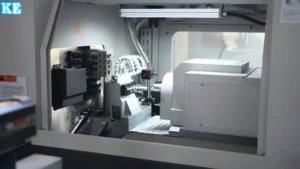
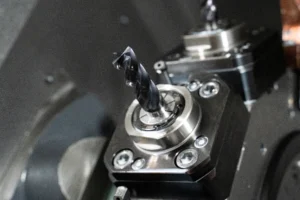
Have you ever wondered why more and more companies in modern manufacturing are choosing 5-axis CNC machines? It’s not just because they sound impressive-these machines can accomplish complex machining tasks that traditional equipment simply can’t handle. By controlling five axes simultaneously, 5-axis CNC machine dramatically improve both efficiency and precision, especially for manufacturing intricate surfaces and multi-angled parts.
Compared to traditional 3-axis or 4-axis machine, 5-axis machine can complete multi-surface machining in a single setup. This reduces the need for repeated repositioning, minimizes errors, and saves both time and costs. Whether you’re in aerospace, automotive, or medical device manufacturing, understanding the main types of 5-axis CNC machines will help you choose the right equipment for your needs.
Let’s dive into the working principles, main types, and key applications of 5-axis CNC machines to give you a comprehensive understanding of this advanced technology.
Basic Working Principle of 5-Axis CNC Machines
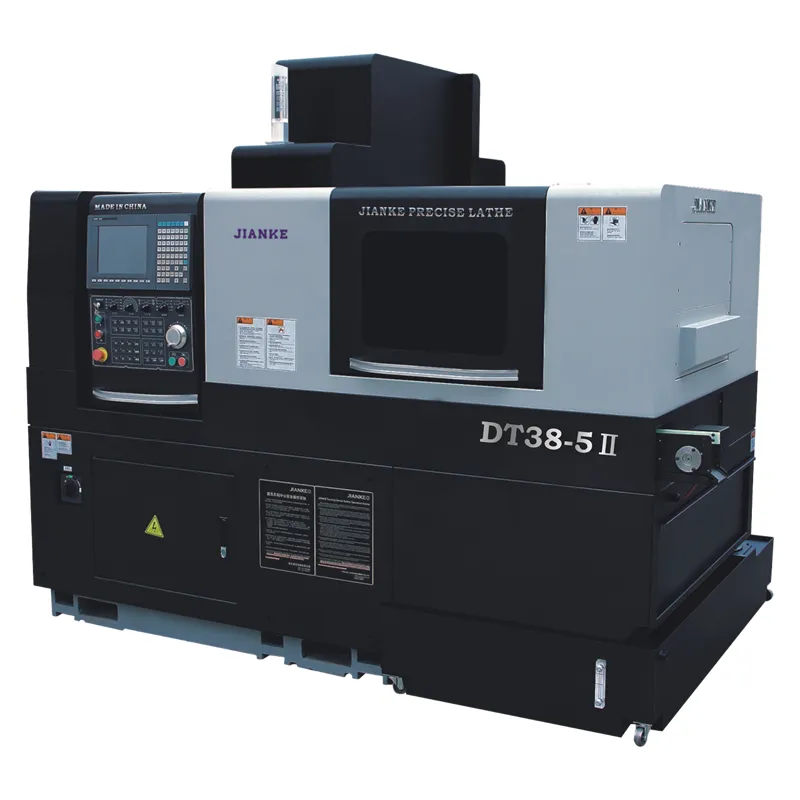
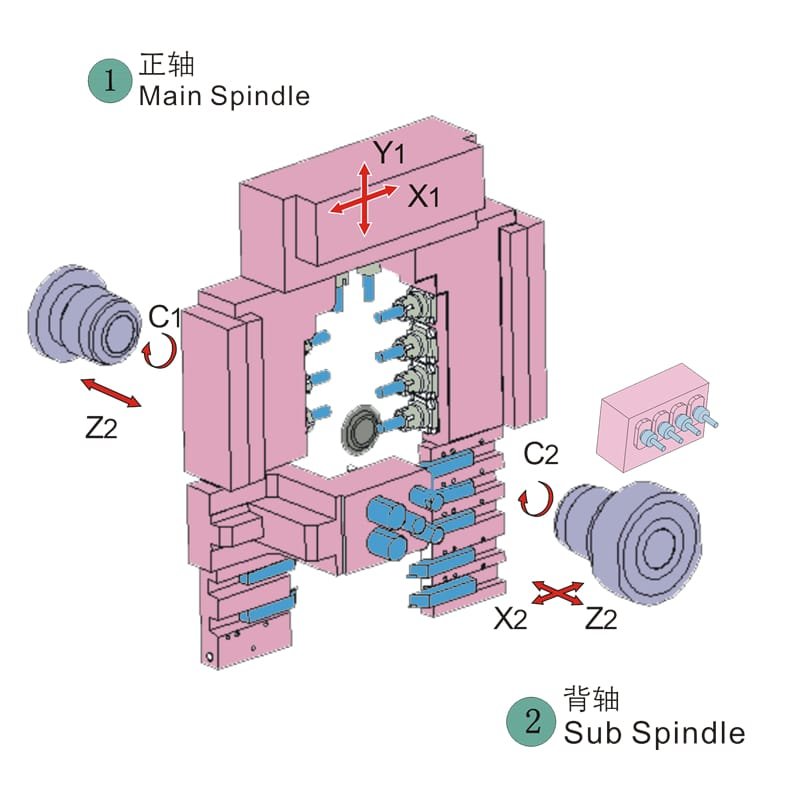
The “5-axis” in 5-axis CNC machines refers to their ability to control five axes of movement at the same time:
- X, Y, and Z linear axes: Control the straight-line movement of the tool or workpiece.
- Two rotary axes (usually called A, B, or C axes): Control the rotation angle of the tool or workpiece.
These two rotary axes can rotate in different directions, allowing the tool to approach the workpiece from various angles and enabling complex surface machining.
Simply put, a 5-axis machine is like a flexible “robotic arm” that can adjust its angle freely in space, completing multi-surface and multi-angle cutting tasks. This flexibility greatly expands the range and precision of machining.
Main Types of 5-Axis CNC Machines
There are several ways to classify 5-axis machines. Here, we’ll introduce them based on mechanical structure and functional application.
1. By Mechanical Structure
| Type | Structural Features | Suitable Workpiece Types | Pros & Cons |
|---|---|---|---|
| Dual Rotary Table | Workpiece mounted on two rotary tables | Large, complex workpieces | Highly stable, suitable for heavy-duty machining; complex structure, higher cost |
| Dual Swivel Head | Spindle with two rotary heads | Small, precision parts | Flexible machining, ideal for complex surfaces; lower rigidity |
| Single Rotary Table + Single Swivel Head | Combines rotary table and swivel head | Medium-sized, diverse parts | Balances rigidity and flexibility, widely used |
2. By Rotary Axis Plane
- Orthogonal 5-Axis: Rotary axes are perpendicular to each other. Simple operation and easy programming.
- Non-Orthogonal 5-Axis: Rotary axes are not perpendicular, suitable for special, complex parts.
3. By Function and Application
- 5-Axis CNC Milling Machine: Mainly for milling, ideal for complex surfaces.
- 5-Axis Machining Center: Integrates milling, drilling, tapping, and more.
- 5-Axis Engraving Machine: Used for fine engraving and mold making.
- Desktop/Mini 5-Axis Machine: Suitable for small, precision parts.
Detailed Analysis of Typical 5-Axis Machine Structures
Different 5-axis machine structures are like various styles of “toolboxes”-each has its strengths.
1. Cradle Table Type
- Features: The worktable rotates around one axis; the spindle rotates around another.
- Advantages: Suitable for medium and large workpieces; high rigidity.
- Applications: Aerospace parts, automotive engine components.
2. Swing Table Type
- Features: The worktable swings around a horizontal axis; the spindle can also rotate.
- Advantages: Wide machining range; ideal for complex surfaces.
- Applications: Mold making, complex surface parts.
3. Double Swivel Head Type
- Features: The spindle has two rotary heads, allowing flexible angle adjustment.
- Advantages: Extremely flexible; perfect for precision and complex machining.
- Applications: Medical devices, small precision parts.
4. Table and Spindle Swing Type
- Features: Both table and spindle can swing, offering flexible combinations.
- Advantages: Suitable for multi-angle, multi-surface complex machining.
- Applications: Aerospace, automotive components.
Application Comparison of Different 5-Axis Machine Types
| Machine Type | Suitable Industries | Typical Workpiece Types | Machining Advantages |
|---|---|---|---|
| Dual Rotary Table | Aerospace, Automotive | Large, complex components | High rigidity, ideal for heavy and large parts |
| Dual Swivel Head | Medical, Precision | Small, complex precision | High flexibility, perfect for complex surfaces |
| Single Rotary Table + Swivel Head | Multiple industries | Medium-sized, varied parts | Good balance of rigidity and flexibility |
| Desktop/Mini 5-Axis Machine | Education, Research | Small, precision parts | Compact size, ideal for micro-precision machining |
As you can see, different types of 5-axis machines have their own strengths in terms of rigidity, flexibility, and machining range. Your choice should be based on your specific needs.
Tips for Choosing the Right 5-Axis CNC Machine
Selecting the right 5-axis machine depends on clarifying your machining requirements:
Workpiece Size
For large parts, choose dual rotary table structures. For small, precision parts, dual swivel head or desktop machines are ideal.
Machining Complexity
Complex surfaces and multi-angle machining require more flexible rotary axis configurations.
Production Volume
For mass production, opt for machines with high rigidity and stability.
Budget and Maintenance
More complex machines cost more and require higher maintenance-balance your investment and return.
Future Expansion
If you need multifunctional machining (drilling, tapping, etc.), a machining center is a better choice.
Tip: Before making a decision, consult with a professional manufacturer. Discuss your actual process needs and get a tailored solution.
5-axis CNC machines are not just the “all-rounders” of modern manufacturing-they’re also key to driving industry upgrades. Understanding the different types of 5-axis machines helps you find the best fit for your business, boosting productivity and reducing costs.
Looking ahead, as smart manufacturing and automation continue to develop, 5-axis machines will become even more intelligent and efficient. Now is the perfect time to invest in advanced equipment!
If you’re ready to upgrade your production line or want to learn more about 5-axis CNC machines, feel free to contact us anytime. Let’s work together to achieve your manufacturing goals and reach new heights!
To learn more about the differences between 5-axis CNC machine and other multi-axis CNC machine tools, click the article link below to view it.